What Is Inner Relationship Focusing?
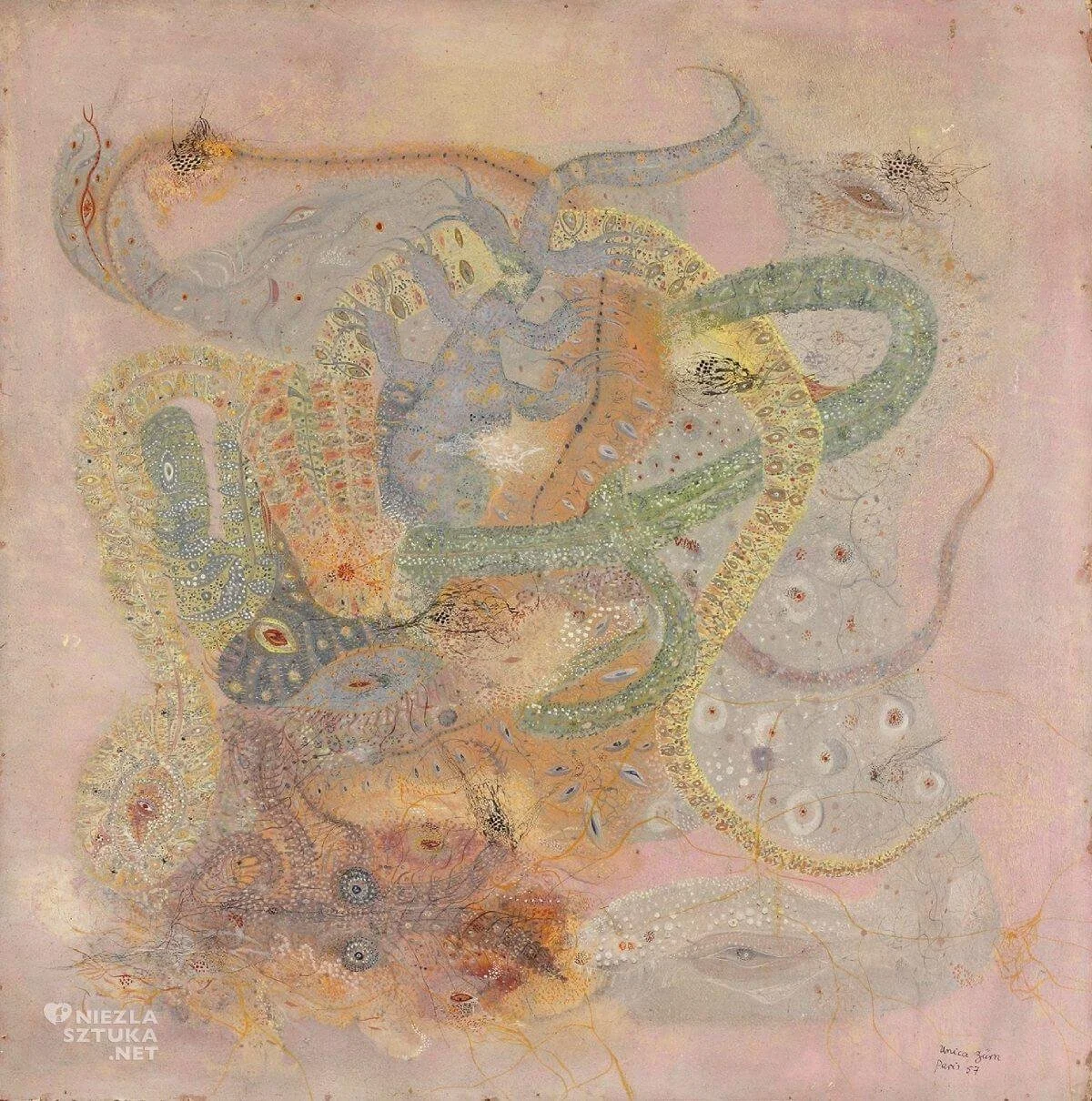
Unica Zürn, Snake | 1957, Ubu Gallery, New York
Inner Relationship Focusing (IReF) is a body based way of meeting the parts of yourself that logic can't reach. Here's what it actually is, and how it works.
You may already know your patterns. You could probably narrate them in your sleep - the way you shrink in certain rooms, the relationship dynamic you keep finding yourself back inside, the version of you that goes quiet right when you know you want to speak.
Naming the pattern generally isn’t the hard part. Living differently once you've identified it - that's the part that many find harder to move.
If that's where you are, you haven't done anything wrong. You were taught how to notice your patterns. Rarely are we taught what comes after that - and that's exactly what Inner Relationship Focusing does.
What Inner relationship focusing actually is
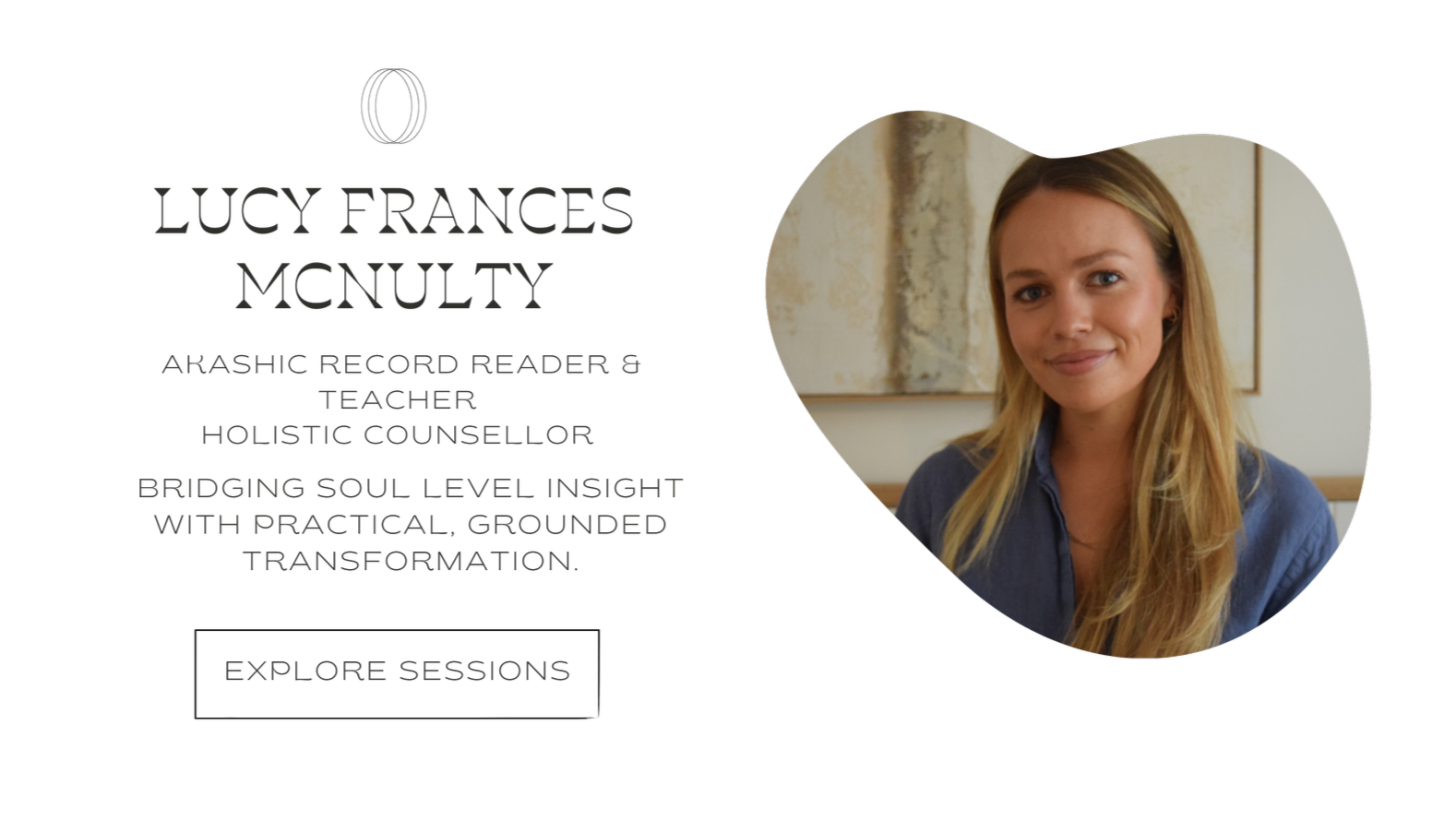
Inner Relationship Focusing (IReF) was developed by Ann Weiser Cornell, building on Eugene Gendlin's original work on Focusing - I trained directly with Ann, and IReF is one of the ways I work with clients in ongoing inner healing sessions.
At its centre is a simple shift: the parts of you that feels ‘stuck’ - the inner critic, the anxious part, the one that sabotages right before things get good - aren't problems to fix. They're parts of you that are needing to be met.
Most of us relate to these parts in one of two ways. We fuse with them (we become the anxiety, the shame, the self doubt - it's just "how I am right now"). Or we fight them (we try to think our way past them, silence them, talk ourselves out of feeling what we're feeling).
Inner Relationship Focusing offers a third option: turning toward the part with real attention, real presence and from a place that isn't the part itself. Ann calls this Self-in-Presence - a grounded, curious "I" that can sit compassionately beside the anxious part instead of being swallowed by it.
What a session actually looks like
We slow down. Instead of talking about the pattern, we find where it lives in your body right now — what Gendlin called the "felt sense." This isn’t a a thought, but a physical, often hard-to-name sense of something there.
From there, we get curious instead of trying to fix. We get to know the part? What's it been protecting you from? What happens in your body when it finally feels heard, instead of managed?
Nothing here is about forcing a feeling to change or talking yourself into peace. The shift happens because the part gets met - often for the first time - not because you argued it into standing down but because you heard it.
Why this is different from working it out in your heaD
You can understand a pattern completely and still feel it running the show. That's not a failure of insight; it's just not where this kind of change happens.
Inner Relationship Focusing works at the level of direct experience - body, presence, relationship - which is often exactly the layer that talking things through on your own doesn't reach. This is the layer where clients often experience the full body exhale, the deep insight, the shifts in the body, in their actions, the ‘I would never have realised these two things were connected, but suddenly that makes so much sense.”
What you can actually work on with this
IReF isn't tied to one kind of problem - it's a way of meeting whatever part of you is running the current show. A few of the patterns that show up most:
The overthinking, anxious part that won't put a decision down. Once it's already made, it doesn't matter - you might resonate with replaying it at midnight, running every version of what could go wrong. Instead of trying to think your way to calm (which is what got you here in the first place), we turn toward that part directly and ask what it's actually keeping watch for.
The insecure part that needs the reassurance before it can rest. The part that reads the same message five times looking for a shift in tone. That compares, second guesses, waits for confirmation it's safe. IReF meets that part where it actually lives, instead of trying to logic it into feeling secure, it meets it with the care, compassion and understanding it’s been searching for the whole time.
The critical part that gets loudest right before you do something brave. You're about to hit send, speak up, put yourself forward - and suddenly there's a voice listing every reason not to. We turn toward it directly: what is it actually afraid will happen? It's not trying to hurt you, it's trying to protect you with a strategy it learnt long ago.
The part that reaches for food when something else is asking to be felt. Emotional eating is rarely about food itself - it's often the fastest way a part knows to soothe something that hasn't had anywhere else to go. IReF doesn't try to manage the eating directly; it turns toward what's actually underneath it.
The part that keeps you circling instead of moving forward. All the planning, researching, almost starting - and still no first step. Self sabotage like this usually isn't laziness or a lack of discipline. There's often a part convinced that staying still is safer than what happens if you actually try.
None of these are about fixing yourself. They're about finally being in relationship with the part of you that's been carrying it alone.
Where this fits into working with me
I use Inner Relationship Focusing within ongoing inner healing and integration sessions, alongside Aaruka Healing and other tools I bring to that work. It's not a one-off technique - it's a way of building an actual, working relationship with the parts of you that have been asking for attention for a long time.
If you've done the work of naming what's going on, and you're ready for the part that actually supports shifting it, Inner Healing and Integration Sessions are where that happens.